Livnate — minimal-preparation veneers in Pyeongchon, Anyang

Live your smile
LIVNATE
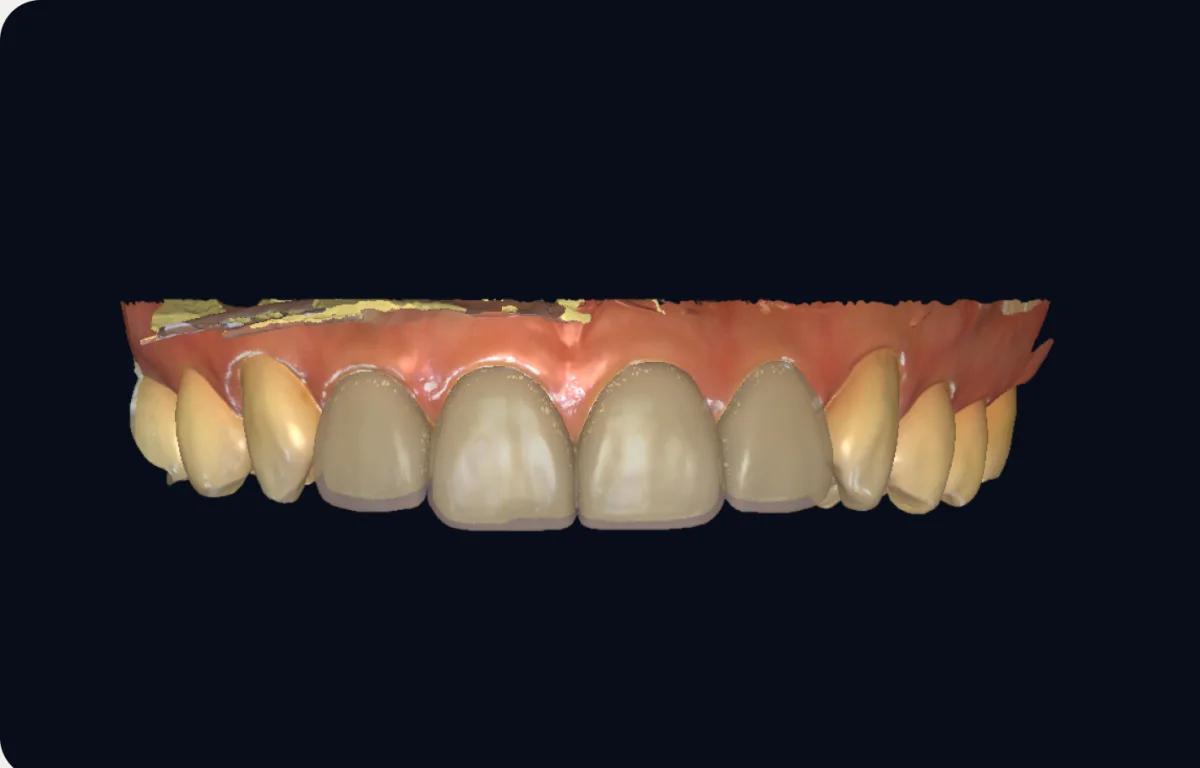
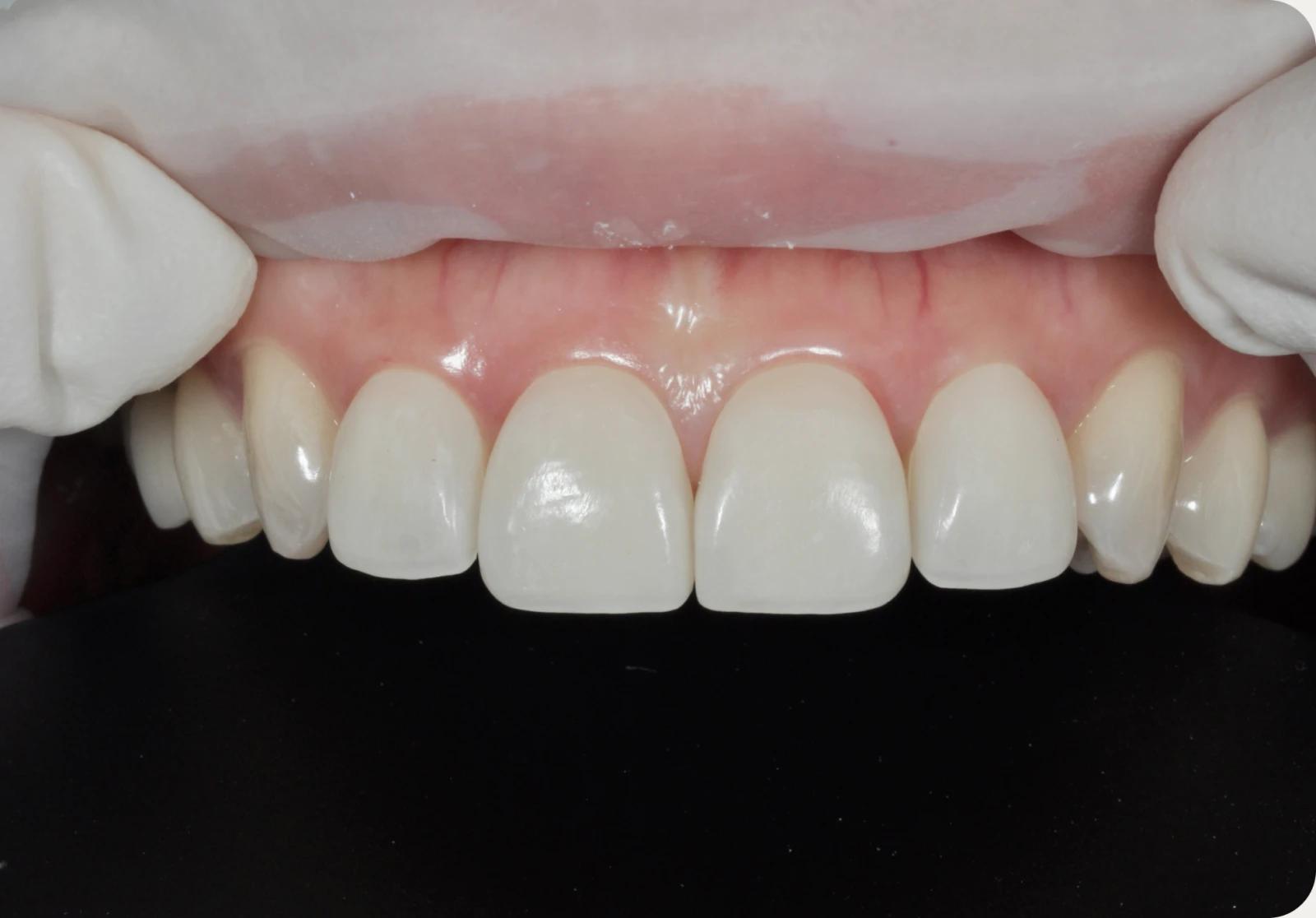
Preview your smile, before the veneers are made
Before the veneers are made, a preview stage shows the shape they will take on your own teeth.
Preserving your tooth structure, with the least preparation needed
We assess whether a no-preparation veneer suits your teeth. Where preparation is needed, it is kept to the minimum.
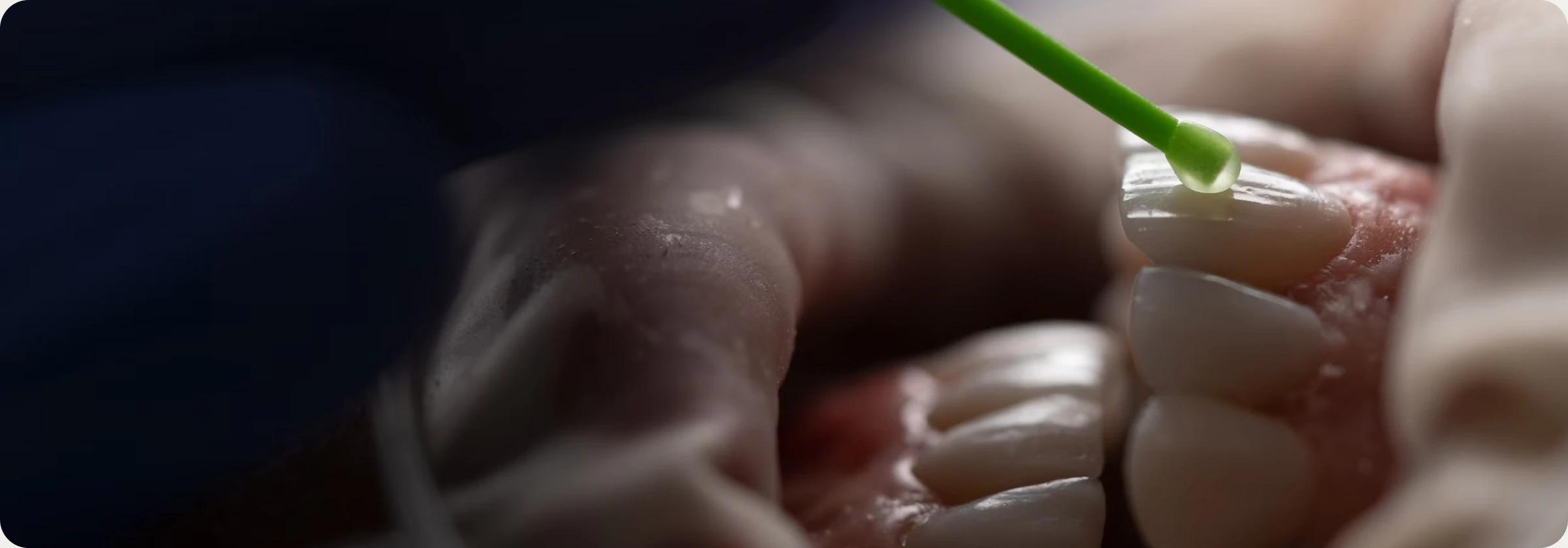
Careful bonding, attention to detail
Bonding is an important part of how a veneer fits and how it holds up over time. Our own bonding process is where we put the work.
Preview your smile, before the veneers are made
Before the veneers are made, a preview stage shows the shape they will take on your own teeth.
Preserving your tooth structure, with the least preparation needed
We assess whether a no-preparation veneer suits your teeth. Where preparation is needed, it is kept to the minimum.
Careful bonding, attention to detail
Bonding is an important part of how a veneer fits and how it holds up over time. Our own bonding process is where we put the work.
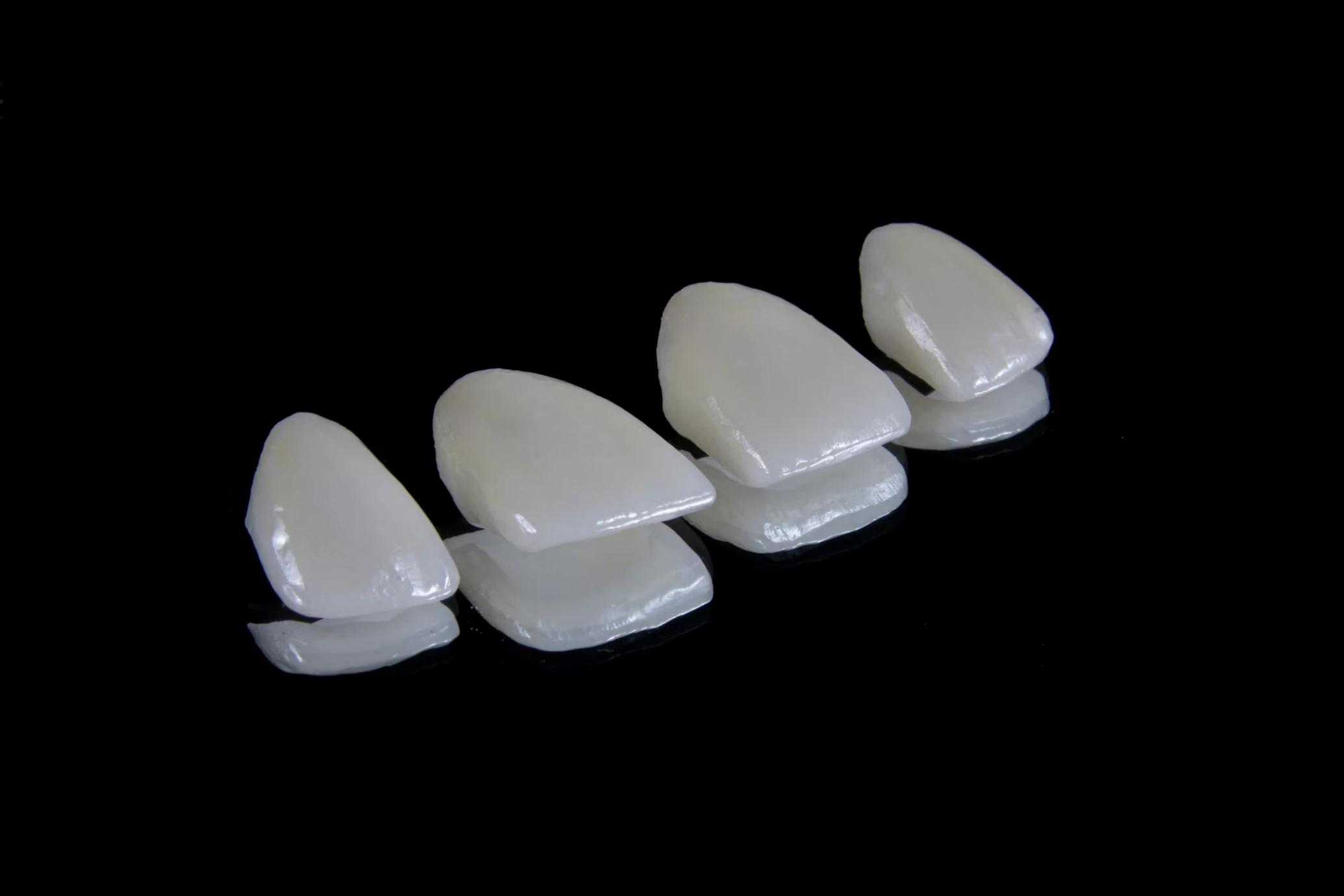
The finish you can feel at every step of LIVNATE
- Finding
- A veneer had chipped, and the exposed area had discoloured
- Solution
- One new veneer was made for the chipped tooth
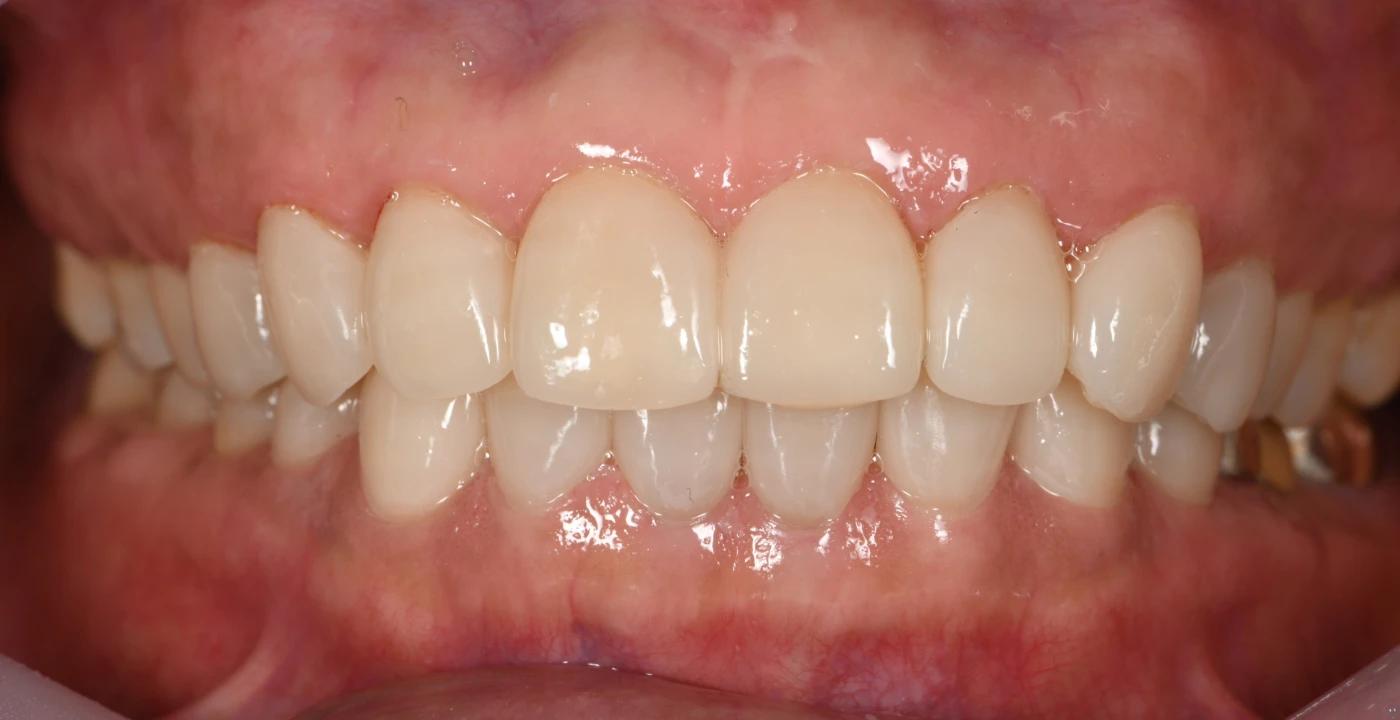
- Finding
- A composite filling placed earlier had discoloured. A crown on a front tooth no longer matched
- Solution
- The veneer and the crown were remade so the shades matched
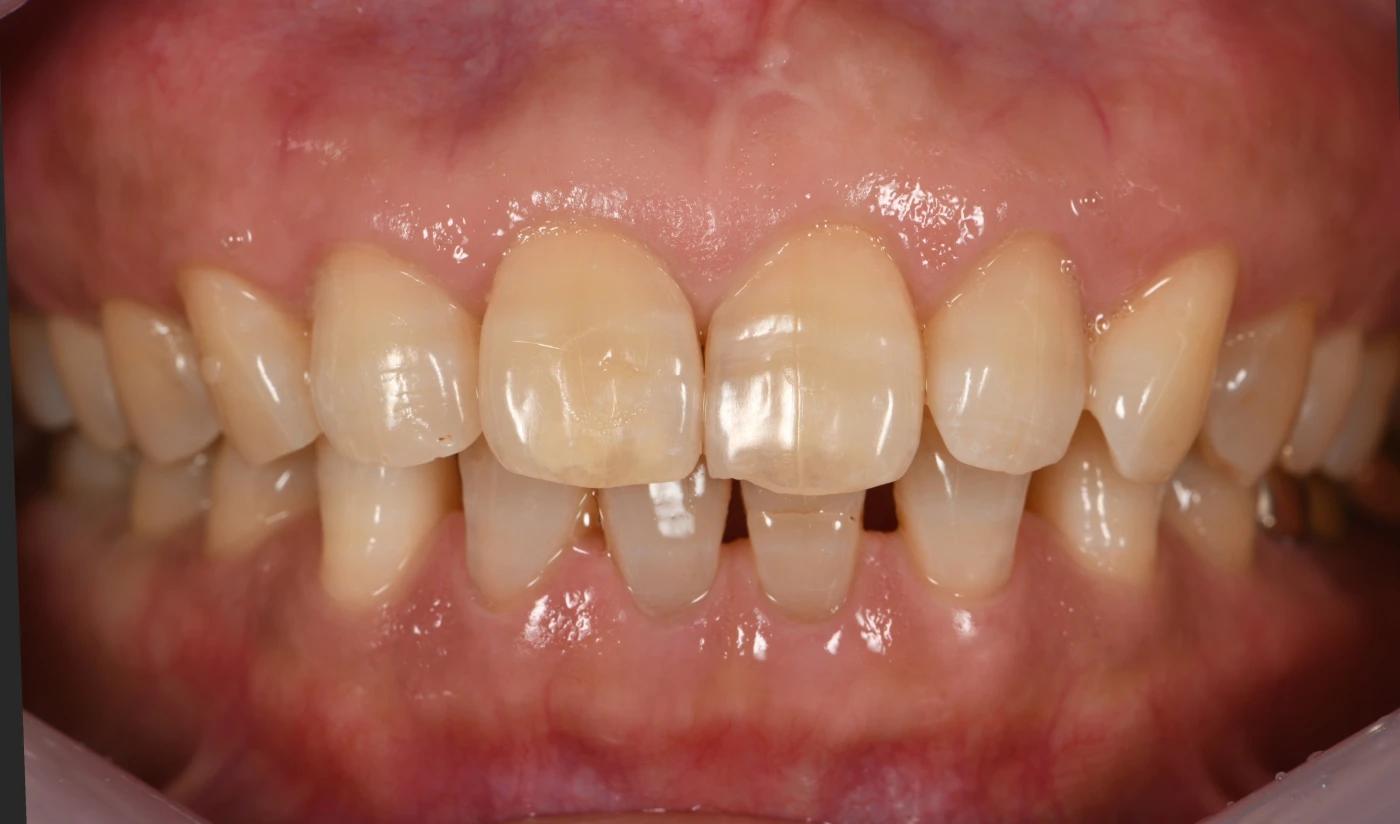
- Finding
- Dark lines across the front teeth the patient wanted addressed
- Solution
- Veneers bonded with no preparation at all
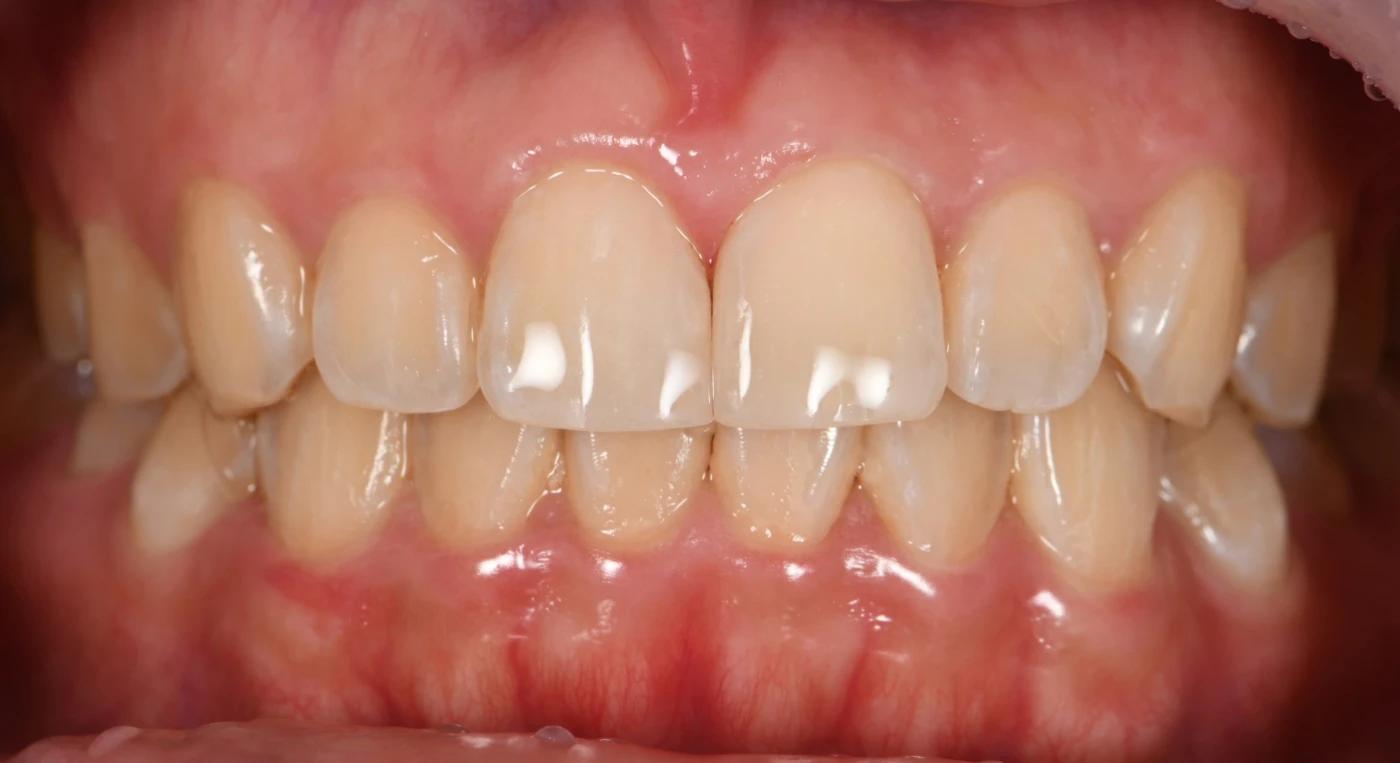
- Finding
- The two central incisors were separated by a gap
- Solution
- Veneers made for the two central incisors
- Finding
- Patchy, uneven surface colour the patient wanted improved
- Solution
- Veneers fitted with the least preparation the case allowed
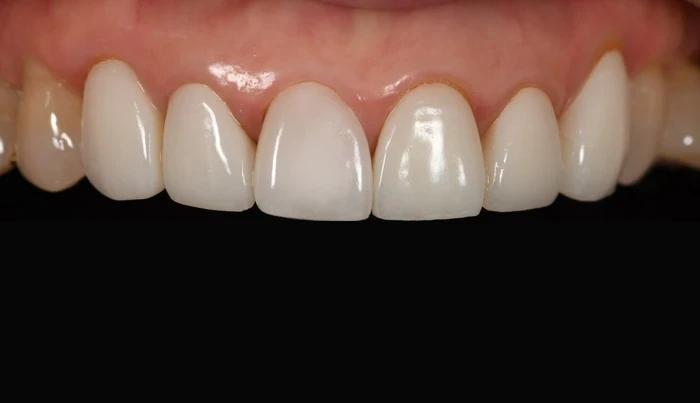
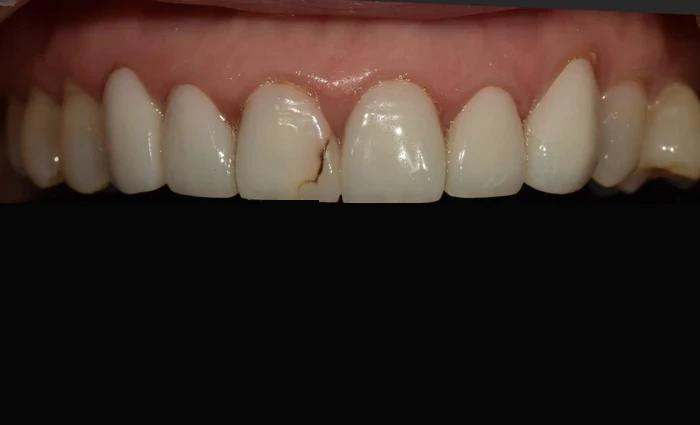
Results differ from person to person and side effects can occur. These photographs were taken under the same conditions and are published with the patient's own consent.
The finish you can feel at every step of LIVNATE
- Finding
- A veneer had chipped, and the exposed area had discoloured
- Solution
- One new veneer was made for the chipped tooth
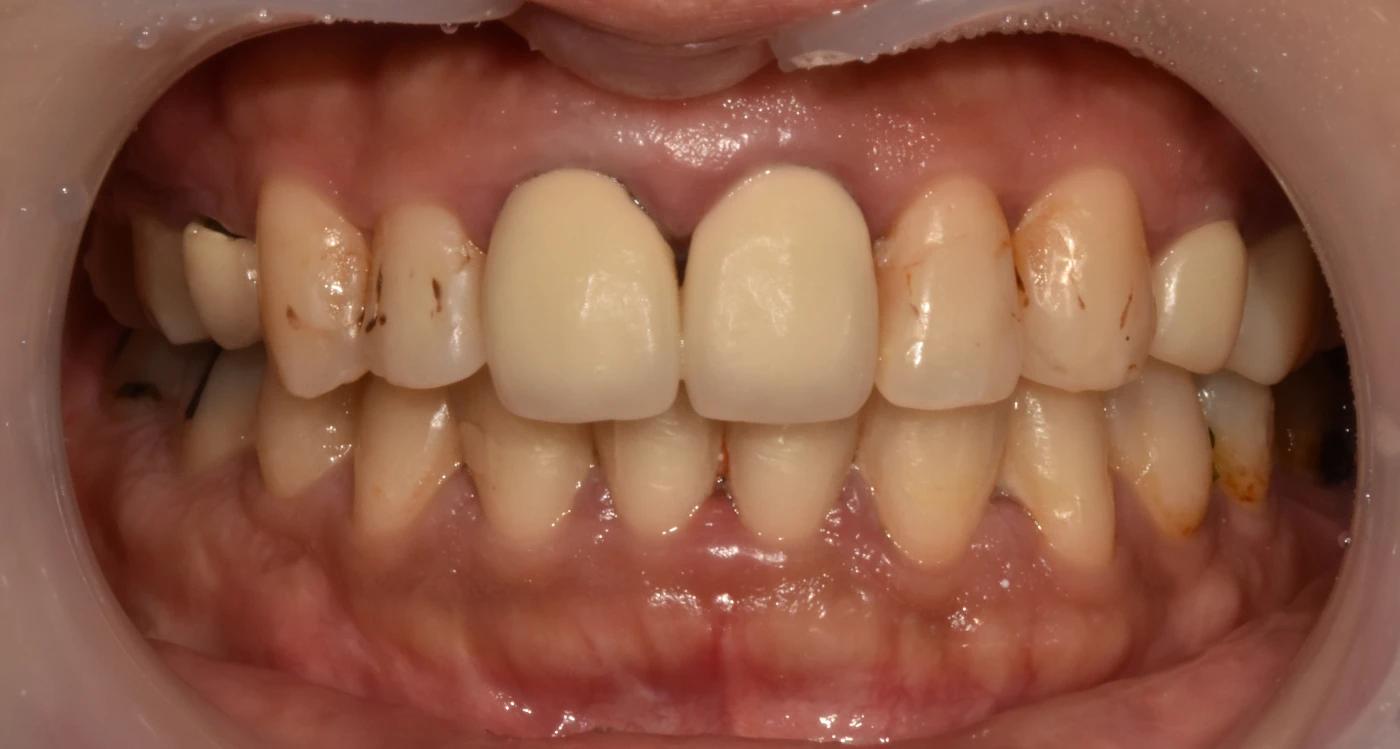
BEFOREAFTER- Finding
- A composite filling placed earlier had discoloured. A crown on a front tooth no longer matched
- Solution
- The veneer and the crown were remade so the shades matched
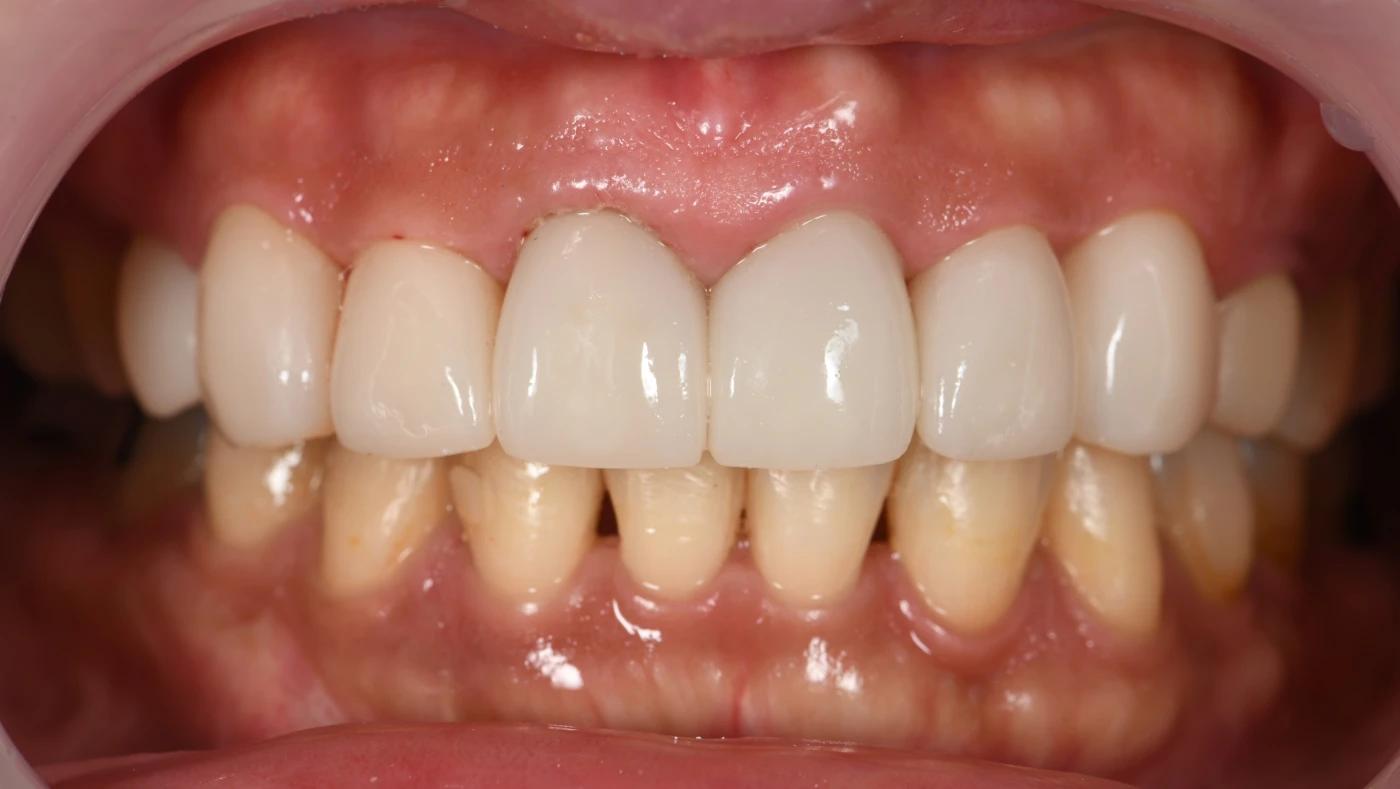 BEFOREAFTER
- Finding
- Dark lines across the front teeth the patient wanted addressed
- Solution
- Veneers bonded with no preparation at all
 BEFOREAFTER
- Finding
- The two central incisors were separated by a gap
- Solution
- Veneers made for the two central incisors
 BEFOREAFTER
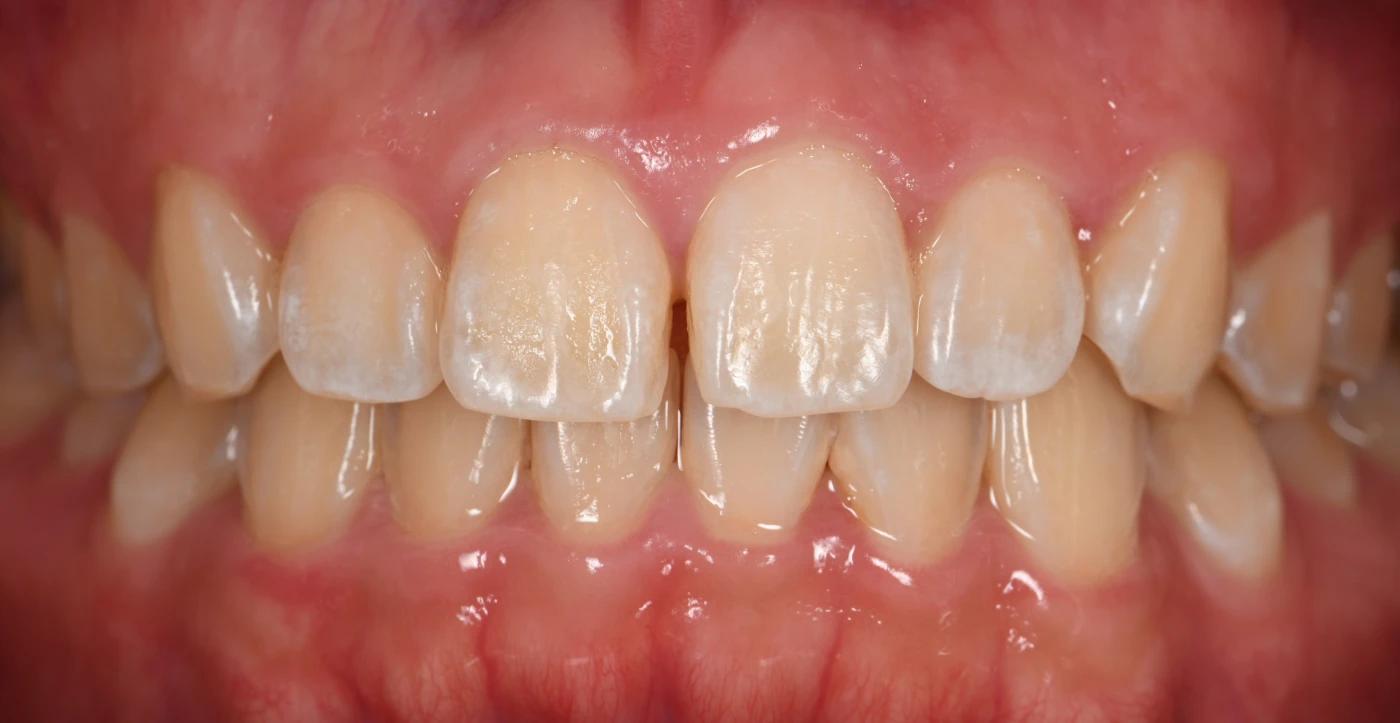
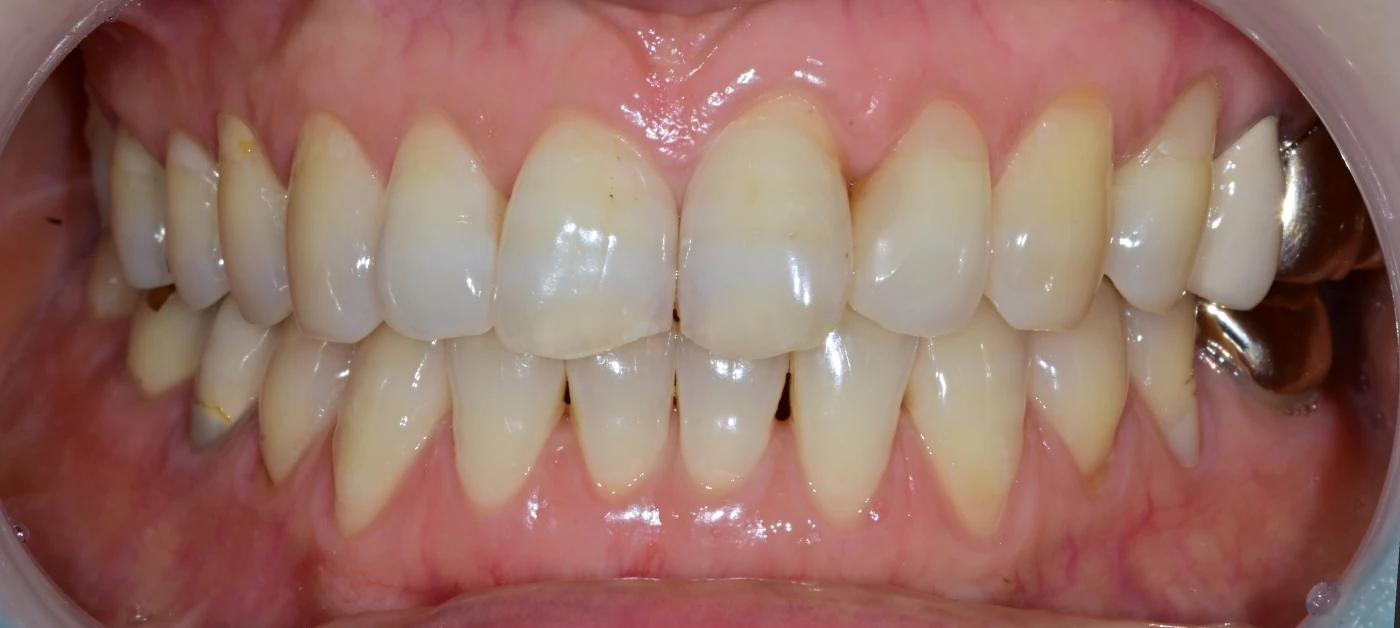
- Finding
- Patchy, uneven surface colour the patient wanted improved
- Solution
- Veneers fitted with the least preparation the case allowed
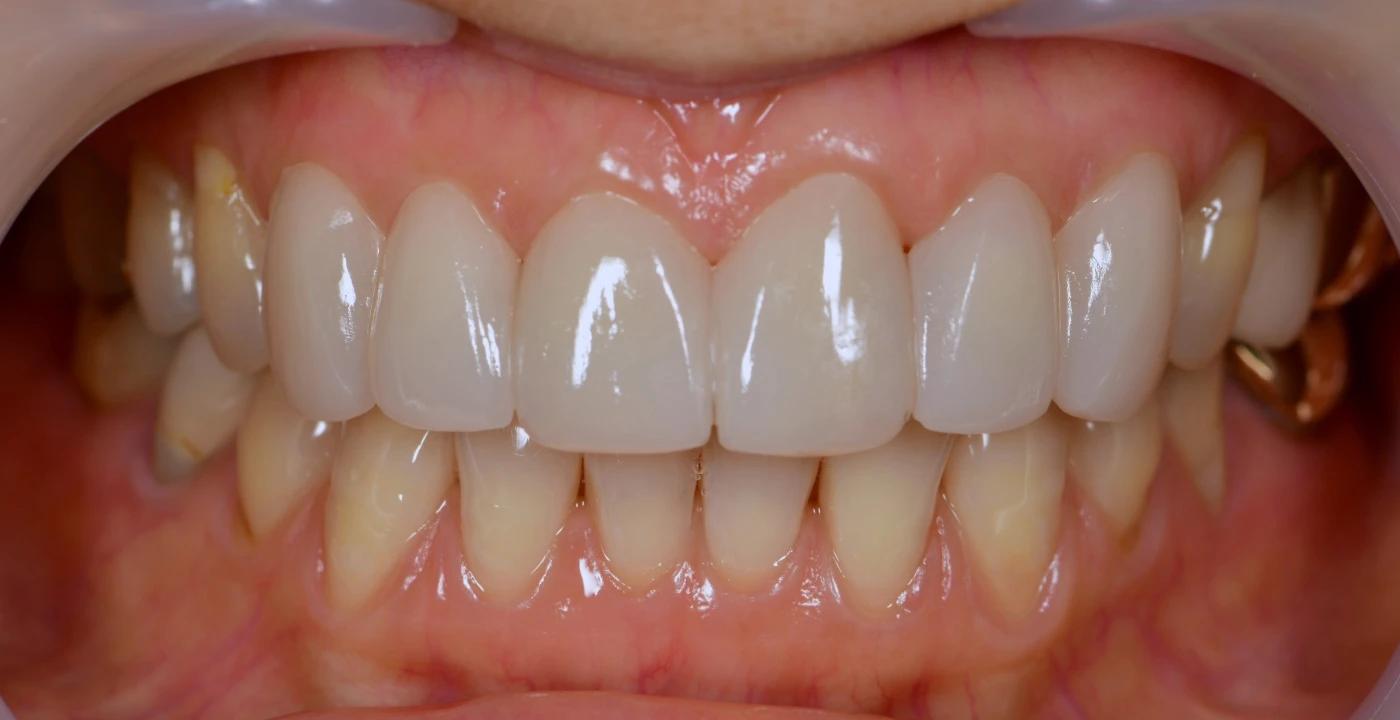 BEFOREAFTER
Results differ from person to person and side effects can occur. These photographs were taken under the same conditions and are published with the patient's own consent.
Livnate veneers — questions we are often asked
- What is the difference between Livnate and a conventional veneer?
- Livnate is our own name for an approach that aims to remove less tooth structure than a conventional veneer — it is not a standard dental term you will find elsewhere. How the two compare depends on the tooth and on what is planned for it. The priority is keeping your own enamel where that is possible, and which approach suits your teeth is decided after an examination.
- How many visits does it take?
- Usually two to three visits — a consultation and design appointment, then the fitting and bonding once the veneers are made.
- How much of the tooth is removed?
- The amount of preparation depends on your teeth and on the result planned. Some cases need no preparation at all; where preparation is needed it is kept to the surface, around 0.3 to 0.5 mm. We will explain what your own teeth need after the examination and the scan, before treatment begins.
- Is it covered by insurance?
- No. Veneers are cosmetic treatment and are not covered by National Health Insurance. We will go through the fee with you at the consultation, before anything is started.
Medical review
The medical information on this page was reviewed by Dr. Kim Ki-young (Specialist in Advanced General Dentistry · Clinic director). Last reviewed
This is general medical information. It does not replace a diagnosis or treatment plan for your own condition. If you have symptoms, please see a dentist.